Leslie Crayon: Evoking Childhood Joy in Modern Design
A Typeface That Feels Like a Memory
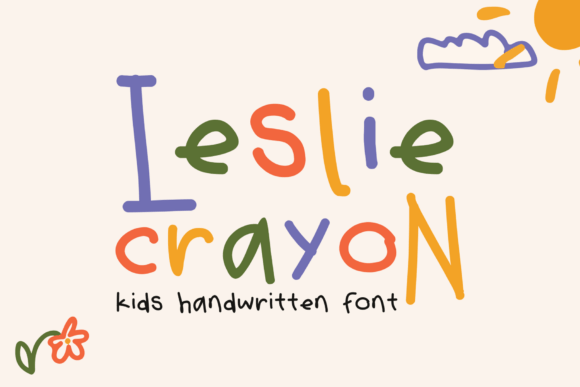
Some design elements do more than display text; they evoke a feeling. Leslie Crayon is a nostalgic display typeface that captures a "youthful-and-yearning" soul, immediately transporting viewers back to the pure joy of childhood creativity. Its charming, hand-drawn letterforms are defined by the rhythmic, waxy texture of a real crayon stroke and soft, uneven terminals. This isn't just a font; it's a carefully crafted tool for visual storytelling, designed to inject warmth and authenticity into any creative project.
Understanding Its Role in Visual Communication
In the crowded landscape of graphic design, establishing a distinct and emotionally resonant brand identity is paramount. Leslie Crayon excels in this domain by offering a unique voice that is both playful and deeply nostalgic. Its light structural weight and innocent personality make it more than a decorative choice—it's a strategic asset for designers and marketers aiming to forge a genuine connection with their audience. This typeface demonstrates how thoughtful typography can significantly enhance user engagement and brand recall.
Practical Applications Across Creative Projects
The versatility of Leslie Crayon allows it to shine across numerous applications, making it a valuable addition to any designer's toolkit. Consider these practical uses:
- Branding and Logo Design: Perfect for independent toy brands, children's educational apps, or artisanal bakeries seeking a handmade, approachable aesthetic.
- Packaging Design: Elevates product presentation for children's snacks, craft kits, or stationery, making the unboxing experience feel personal and delightful.
- Social Media Graphics: Creates high-impact, "playful-and-primary" headers and posts that stand out in feeds, ideal for family-focused blogs, toy influencers, or nursery decor shops.
- Editorial and Print Design: Adds a whimsical touch to children's book covers, magazine layouts, or nursery decor prints, enhancing the narrative quality of the visual design.
- Digital Products and UI Design: When used sparingly for headings or call-to-action buttons, it can soften the interface of a parenting website or a creative portfolio, improving the overall user experience with its friendly demeanor.
Tips for Effective Implementation
Selecting the right typeface is only the first step. To leverage Leslie Crayon effectively, integrate it thoughtfully into your broader design workflow. Always prioritize readability; its decorative nature means it's best suited for headlines, logos, and short bursts of text rather than lengthy body copy. Ensure it complements your existing color palette and imagery. For a cohesive visual hierarchy, pair it with a clean, simple sans-serif for supporting text. This contrast allows the unique character of Leslie Crayon to command attention without overwhelming the design.
Evaluate its use against your project's goals. Is the aim to inspire nostalgia? To communicate playfulness? To build trust with a family-oriented audience? When the answer is yes, this typeface becomes a powerful ally. Test its scalability in your mockups to ensure its charming details remain legible across different sizes, from a tiny favicon to a large banner ad.
Elevating Aesthetics with Intentional Choices
Ultimately, the most impactful design stems from intentional choices that align aesthetics with communication. Quality creative assets like Leslie Crayon do more than decorate a layout; they tell a story, set a tone, and build a bridge between a brand and its community. By understanding the emotional resonance of your visual elements and applying them with strategic care, you transform ordinary projects into memorable experiences that resonate deeply and professionally.